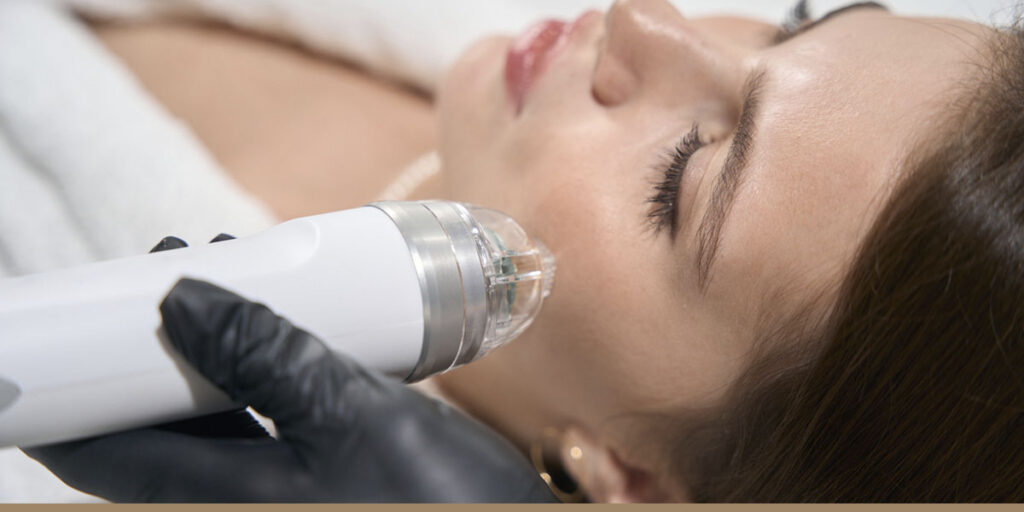
Key Takeaways: Microneedling uses fine needles to create micro-injuries, stimulating collagen; ideal for mild scars, texture, and pores with minimal downtime. RF microneedling adds radiofrequency energy generating controlled heat, stimulating more collagen for deeper improvements in scars, laxity, and texture. RF is more effective but has slightly more downtime. Both are safe for all skin tones. Choice depends on scar severity and desired results.
If you’re comparing traditional microneedling and RF microneedling, you’re already on the right track. Both treatments can improve skin texture, reduce the appearance of acne scars, fine lines and enlarged pores. The main difference comes down to one thing: heat.
RF devices utilize tiny needles combined with radiofrequency energy to generate controlled warmth beneath the surface, which can stimulate collagen more effectively than microneedling alone. Your provider will help you choose the option that best suits your skin tone, goals and budget. Here’s what you can expect from each treatment.
Microneedling: Gentle, Flexible and Great for Texture
Microneedling uses fine needles to create micro-injuries that prompt your skin to produce new collagen. It’s a popular choice if you want:
- Smaller-looking pores.
- Smoother overall texture.
- Mild improvement in acne scars.
- A more radiant tone with minimal downtime.
If you’re searching for the best treatment for pores and fine lines, a personalized approach combining microneedling and RF microneedling often achieves the most visible improvements.
RF Microneedling: More Collagen and More Lift
RF Microneedling adds radiofrequency energy to treat deeper layers of the skin. This controlled heat can tighten tissue and stimulate collagen production more dramatically, making it a good match for:
- Skin tightening.
- Early skin laxity.
- Deeper acne scars.
- Uneven tone or texture.
- Fine lines around the eyes and mouth.
- Enlarged pores that haven’t responded to other treatments.
Downtime after RF microneedling is typically minimal. Most people experience mild redness or swelling for a day or two, and your provider will give you specific aftercare instructions tailored to your skin.
RF Microneedling vs. Microneedling Results
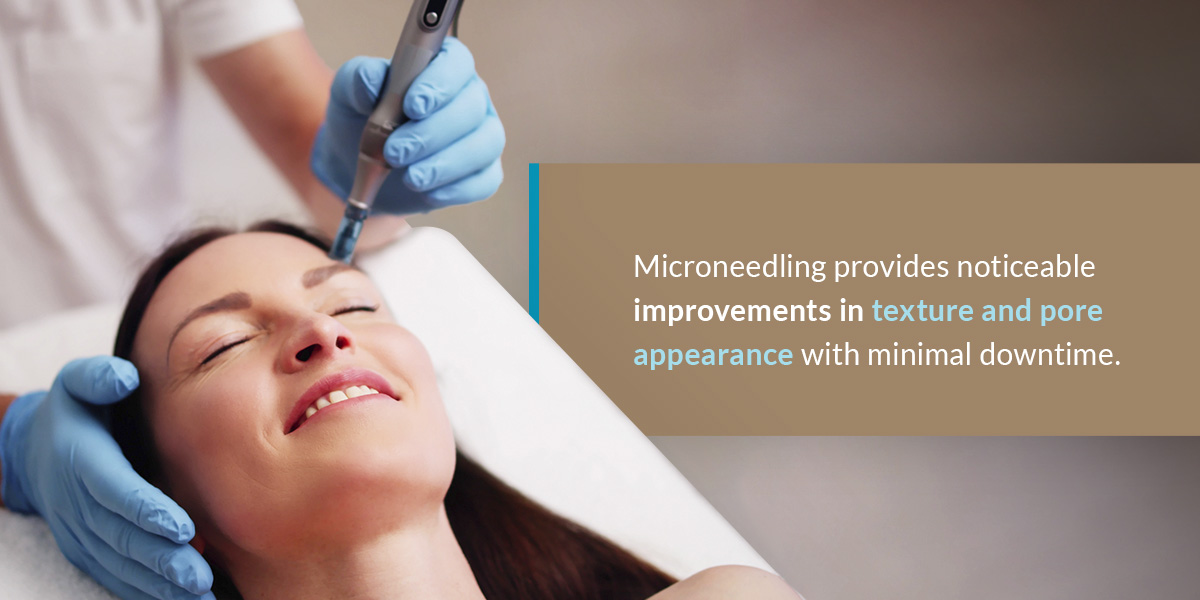
Microneedling provides noticeable improvements in texture and pore appearance with minimal downtime. RF microneedling delivers more dramatic collagen production, particularly for scars and skin laxity.
Most people begin to see improvement within a few weeks, with results continuing to develop as collagen matures.
RF Microneedling and Safety for Darker Skin Tones
Both treatments are safe for skin of color when performed by trained providers. RF microneedling is especially helpful because it targets deeper layers, reducing the risk of pigment changes that can happen with some resurfacing lasers.
Our team prioritizes safety, choosing advanced devices and protocols designed for all skin types and tones.
Traditional Microneedling and RF Microneedling Costs
Your total cost depends on the number of sessions you need and your treatment plan, which your provider will review with you during your consultation.
Not Sure Which Treatment Fits Your Skin? We Can Help
You don’t have to make a decision on your own. A consultation with our experts helps you understand exactly what your skin needs — and what kind of results you can expect based on your unique goals and skin tone. To learn more about traditional microneedling and RF microneedling, schedule a consultation with our team today.