If you’ve been trying to decide between retinol and tretinoin, you’re not alone. Both are vitamin A derivatives used to treat acne, uneven texture and early fine lines, but they don’t work the same way.
At Berman Skin Institute, our providers help patients choose the option that fits their skin type and long-term goals. Here’s how to know which one may be right for you.
Retinol vs. Tretinoin: Main Differences
Let’s dive into the main differences between Retinol and Tretinoin:
Retinol: The Gentle, Over-the-Counter Option
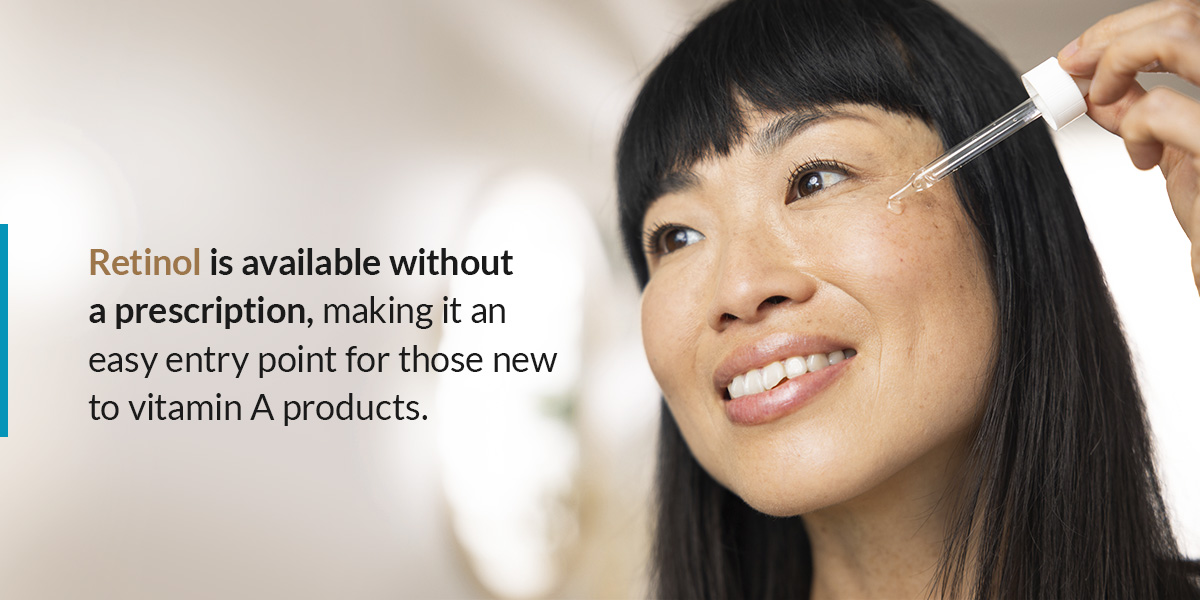
Retinol is available without a prescription, making it an easy entry point for those new to vitamin A products. Once applied, your skin slowly converts retinol into its active form — retinoic acid. This slower conversion means:
- Less irritation than prescription-strength formulas.
- Gradual improvement in texture and dullness.
- Helpful for mild breakouts, early fine lines and maintaining results from in-office treatments.
You can also pair retinol with a vitamin C serum in the morning and sunscreen daily to brighten the skin and protect the progress you’re making.
Tretinoin: The Stronger Prescription Option
Tretinoin is already in its active form, which means it works faster and with more intensity. It’s often recommended for:
- Persistent acne.
- More noticeable fine lines.
- Rough texture and visible pores.
- Sun-related discoloration.
When comparing retinol vs. tretinoin for wrinkles, tretinoin is generally more potent for addressing deeper lines, while retinol is ideal for earlier prevention. It is best to use a moisturizer with tretinoin to ensure your skin stays comfortable throughout treatment.
Can You Use Vitamin C With Tretinoin?
Yes, many people do. The key is separating application times so your skin stays comfortable. Most patients prefer vitamin C in the morning and tretinoin at night. If you notice irritation, your provider may suggest adjusting the frequency or using a gentler vitamin C formula.
How to Reduce Irritation
If you’re wondering how to start tretinoin without irritation, begin by applying a gentle moisturizer first and limit initial use to a few nights per week.
These techniques help make the transition smoother:
- Buffering: Apply moisturizer first, then apply retinol or tretinoin on top.
- Skin cycling: Use your vitamin A product one night, apply hydrating products the next day and repeat.
- Barrier-friendly moisturizers: A rich, fragrance-free moisturizer supports healing as your skin adjusts.
Some patients experience temporary breakouts after starting a new vitamin A product, a reaction called the ‘retinol purge timeline’. This often resolves within a few weeks.
Which One Should You Choose?
If you want gentle brightening or early prevention, retinol is a great starting point. If you’re targeting acne, more visible texture changes or fine lines, a prescription tretinoin may be the better match. The best way to decide is to meet with a provider who can assess your skin and create a personalized plan tailored to your goals and comfort level.
Ready to explore your options? Schedule an appointment with the Berman Skin Institute to receive personalized recommendations tailored to your skin.