Key Takeaways: Skin tightening options include Ultherapy (ultrasound energy), RF microneedling (radiofrequency + microneedling), and laser resurfacing. Results typically appear gradually over 2-3 months as collagen remodels. Treatments suit various skin types and concerns from mild to moderate laxity.
Nonsurgical treatments for skin tightening are advancing, offering you several options if you’re considering this type of cosmetic procedure. Whether you are noticing the first signs of loose skin or want to smooth out deep-set wrinkles, you can enjoy significant results without the downtime of surgery.
The key to understanding the best treatment options lies in skin depth and the goal you want to achieve with skin tightening. Comparing Ultherapy, RF microneedling and laser treatments can make your decision easier.
How Depth Determines The Best Nonsurgical Facelift Option for You
Many patients think of a lift as a deep surgical procedure. However, skin tightening can happen in different layers, depending on the look or tightening goals a patient is looking for. Visualize the skin as a multi-layered structure. Aging affects each of these layers differently, and specialized devices are engineered to treat specific depths:
- Epidermis: This is the visible outer layer where fine lines, sun spots and rough texture appear. If you experience these surface-level concerns, a treatment option that addresses damaged skin cells without penetrating too deeply into the dermis may be right for you.
- Dermis: Located beneath the surface, this layer contains the collagen and elastin fibers that give skin its “snap” and firmness. If your skin feels crinkly, thin or has lost its youthful glow, you need a treatment that targets this middle layer to thicken and tighten the skin.
- Superficial musculo-aponeurotic system (SMAS): The SMAS is the deep fibrous layer that connects skin to muscle. If your concern is sagging jowls, heavy brows or a loose neck, you need a treatment that reaches this deep foundational layer. This is the same layer a surgeon tightens during a traditional facelift.
While all nonsurgical tightening methods rely on collagen stimulation through controlled energy involving heat, sound or light, the skin depth you target determines the result.
What Is Ultherapy?
Ultherapy is a unique treatment option that uses micro-focused ultrasound (MFU) energy to bypass the surface of the skin entirely. Instead of treating the outside, it delivers heat energy deep into the SMAS layer, which is typically at depths of 4.5 mm and 3.0 mm. This deep energy creates thermal points that trigger a regenerative response. Over the following months, your body repairs this deep tissue with new, stronger collagen, creating a lifting effect that tightens the skin from the inside out.
Ultherapy is often best for patients with mild to moderate skin laxity who want to lift the brow, chin, neck or décolletage. It is considered the gold standard for nonsurgical lifting.
There is zero recovery downtime, meaning you can return to work immediately. However, results are not instant. You can expect the final results to appear gradually over two to three months as collagen builds.
What Is RF Microneedling?
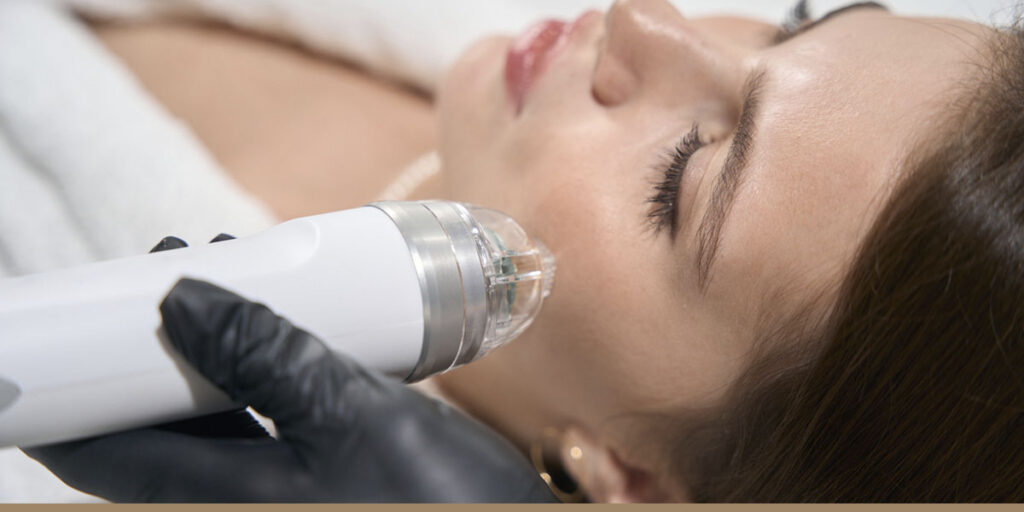
Radiofrequency (RF) microneedling combines two effective technologies into one device. Ultra-fine needles puncture the skin to create micro-channels, triggering a healing response. Simultaneously, the needles release radiofrequency heat directly into the dermis.
Unlike Ultherapy, which focuses on deep structural lifting, RF microneedling focuses on the dermis. The combination of physical microneedling and heat creates a dual effect. It tightens the collagen fibers for smoother contours while also improving surface texture, pore size and acne scars.
RF microneedling is the best treatment option for patients looking to address crepey skin texture, fine lines, acne scarring and mild sagging simultaneously. It is versatile and safe for many skin types.
Recovery is generally quick, with redness and minor swelling lasting about one to three days. Unlike the single-session approach of Ultherapy, RF microneedling typically requires a series of three to four treatments for optimal results.
What Is Laser Skin Resurfacing?
Laser skin tightening treatments, such as Fraxel or CO2 lasers, use light energy to treat the epidermis and upper dermis. These devices work by either vaporizing damaged skin cells (ablative) or heating them (non-ablative) to force rapid cell turnover.
While lasers stimulate collagen and provide some tightening, their primary strength is resurfacing. They physically remove years of sun damage, etched-in wrinkles and pigmentation, revealing fresh, baby-soft skin underneath.
Laser skin resurfacing is the best treatment option for patients whose primary concern is surface quality — deep wrinkles, sun spots, rough texture and uneven tone — rather than significant laxity.
Recovery downtime varies significantly by device. A gentle laser might cause one to two days of redness, while a deep CO2 laser treatment can require five to seven days of social downtime. However, this deeper treatment often provides the most dramatic improvement in terms of skin surface smoothness and clarity.
Which Treatment Fits Your Cosmetic Goals?
Choosing the right treatment often comes down to balancing your specific anatomy with your lifestyle constraints. While a consultation is the only way to know for sure, here is how to visualize which option might be your best fit:
- Ultherapy: If you are interested in a youthful lift, Ultherapy is the top choice for lifting the jawline and brow, as it targets the deepest foundational layer. The quick recovery time benefits those with busy schedules and a desire for a rejuvenated look.
- RF microneedling: If you want to improve texture and tighten your skin, RF Microneedling is the versatile middle ground. This treatment can enhance skin quality and firmness with minimal downtime. A weekend of recovery will have you returning to your lifestyle with a smoother, tighter complexion.
- Laser skin resurfacing: If you are looking for a glowing surface renewal, laser resurfacing is optimal for erasing deep wrinkles and sun damage. A beautifying transformation like this is best suited for those who can invest in a few days of recovery.
A trusted provider can help evaluate your skin’s most immediate needs and recommend next steps with you. Often, the right plan involves a combination of these technologies to address every layer of aging.
Treatment Stacking for Multiple Aging Solutions
The most effective nonsurgical results often come from a multi-layer approach. Because these technologies target different depths of the skin, they can be combined to address multiple aging concerns at once. This strategy is often called treatment stacking.
For example, a patient might choose Ultherapy to lift the brow and jawline while using a CO2 laser to smooth surface wrinkles and sun damage. This synergy provides a more comprehensive result than any single device could achieve alone. By treating the muscle, dermis and surface, you can achieve a nonsurgical facelift effect that looks natural and refreshed.
Schedule Your Consultation at Berman Skin Institute
At Berman Skin Institute, our board-certified providers have access to the full spectrum of advanced technologies, from Ultherapy and Thermage to Fraxel and CO2 lasers. We build a customized plan tailored to your skin’s unique depth, texture and laxity.
Because we customize every plan to your skin, the exact skin tightening cost per session will vary depending on which technologies we combine to achieve your goals. We serve patients across Northern California, including Los Altos, Pleasanton, Sacramento and San Francisco. Whether you are looking for a subtle refresh or a transformative lift, our team is committed to providing the best skin tightening treatments in the Bay Area.
Book your consultation online or call us to discuss your skin tightening options today.