Perimenopause causes real skin changes, but you don’t have to accept them as inevitable. At Berman Skin Institute, we offer customized solutions for your skin concerns.
Understanding Perimenopause and Hormonal Skin Changes
Perimenopause is the gradual transition to menopause, where the body starts producing less estrogen and starts preparing for the end of menstruation. Hormonal changes and perimenopause symptoms can start anywhere from the late 30s to the late 40s. During this time, hormone levels fluctuate significantly, and routine skincare may become less effective due to changes to three hormones:
- Estrogen: Estrogen supports collagen production, blood supply, epidermal thickness, the extracellular matrix, hydration and healing, among other skin-healthy benefits.
- Progesterone: Progesterone promotes blood supply, hydration and the extracellular matrix.
- Androgens: These hormones promote sebum supply, maintaining skin texture and hydration.
All three hormone levels drop during perimenopause and menopause, but declining estrogen has the greatest effect on the skin’s collagen.
Common Perimenopause Skin Concerns
Skin symptoms of perimenopause can be mild or severe and can include any or a combination of the following:
- Perimenopause acne: Hormonal changes can trigger cystic breakouts. Use a gentle cleanser and non-drying acne treatments, like salicylic acid or benzoyl peroxide.
- Dryness: Reduced sebum production can lead to reduced hydration and flaking, resulting in dry skin. Use lotions with hyaluronic acid or ceramides to protect and hydrate your skin.
- Loss of elasticity: Damage to the skin barrier from reduced sebum production can lead to reduced elasticity. Skin barrier treatments with ceramides can help repair the skin barrier, and lotions with peptides can address collagen decline.
- Increased sensitivity: Barrier damage can make skin more sensitive. Switching to gentler formulations can help.
- Signs of aging: With less collagen due to declining estrogen, you may see more fine lines, discoloration, changing texture and other signs of aging. Anti-aging treatments, such as retinoids, antioxidants and prescription topicals, can be beneficial.
Consult your physician about hormone replacement therapy or medications like anti-androgens to address skin and other perimenopausal symptoms. In addition, improving overall health with better sleep quality, stress management, exercise, diet and hydration can support your endocrine system, which in turn can help prevent hormonal imbalances.
Treatment Options
Professional interventions such as laser therapy, microneedling, chemical peels and other advanced treatments can help. These options can support cell turnover, trigger your body’s healing response, and improve the appearance of your skin.
Keep in mind that this is a time of transition. Some symptoms, such as acne, may stabilize as you transition to menopause. Others, such as skin laxity, may persist and may require management.
Contact Berman Skin Institute for Skin Treatments for Every Age
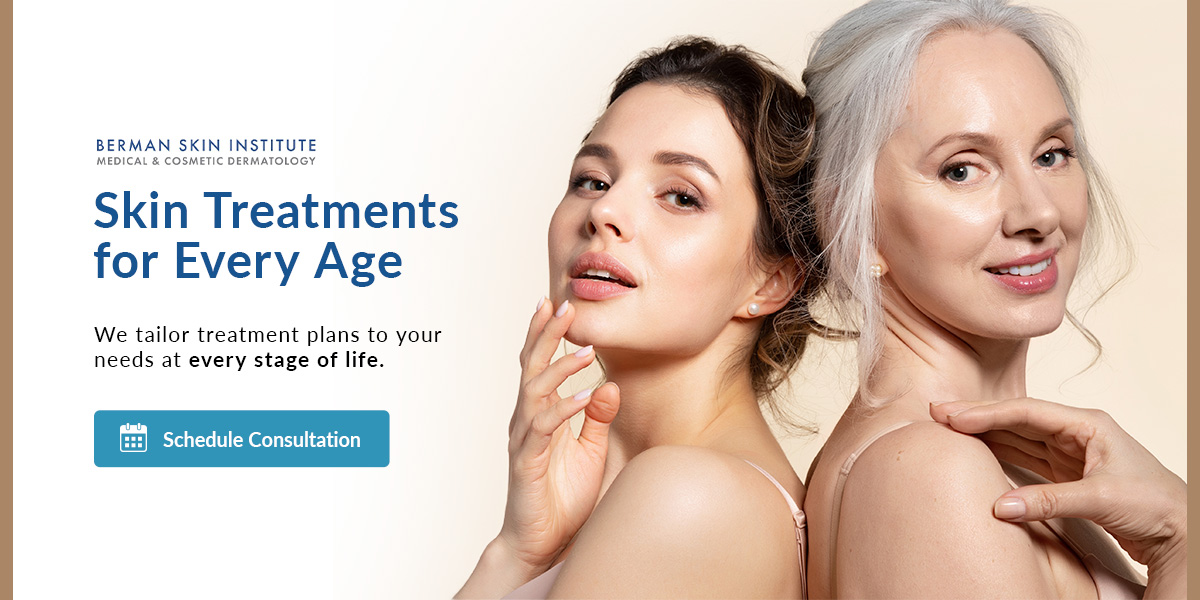
At Berman Skin Institute, we tailor treatment plans to your needs at every stage of life. Schedule a consultation to learn more.