The skin barrier is a system of proteins and lipids that protects your skin. Berman Skin Institute offers personalized plans if you are seeing sun-related damage and other signs of a damaged skin barrier.
Understanding the Skin Barrier and Lipid Barrier
Think of the skin barrier as a wall made of skin cells (bricks) and protective lipids (mortar). Like a sturdy wall protects a garden, a healthy skin barrier keeps your skin resilient and healthy.
The “bricks” are supported by the lipid barrier — a “mortar” made up of natural fats, such as ceramides, cholesterol and fatty acids. Together, the barrier helps protect you against irritants and maintain hydration.
Changes to the Skin Barrier After 35
There’s no sudden change in your skin that happens exactly at 35, but many people start to notice dryness or fine lines around this time due to slower cell turnover and reduced sebum and collagen.
Each person’s skin is different, but generally, around this age, you are producing less ceramide, one of the fatty molecules in the lipid barrier. Your skin barrier may be less effective. Add in genetics, hormonal changes that can occur at this time, and the environmental damage and sun exposure that have been quietly accumulating over decades.
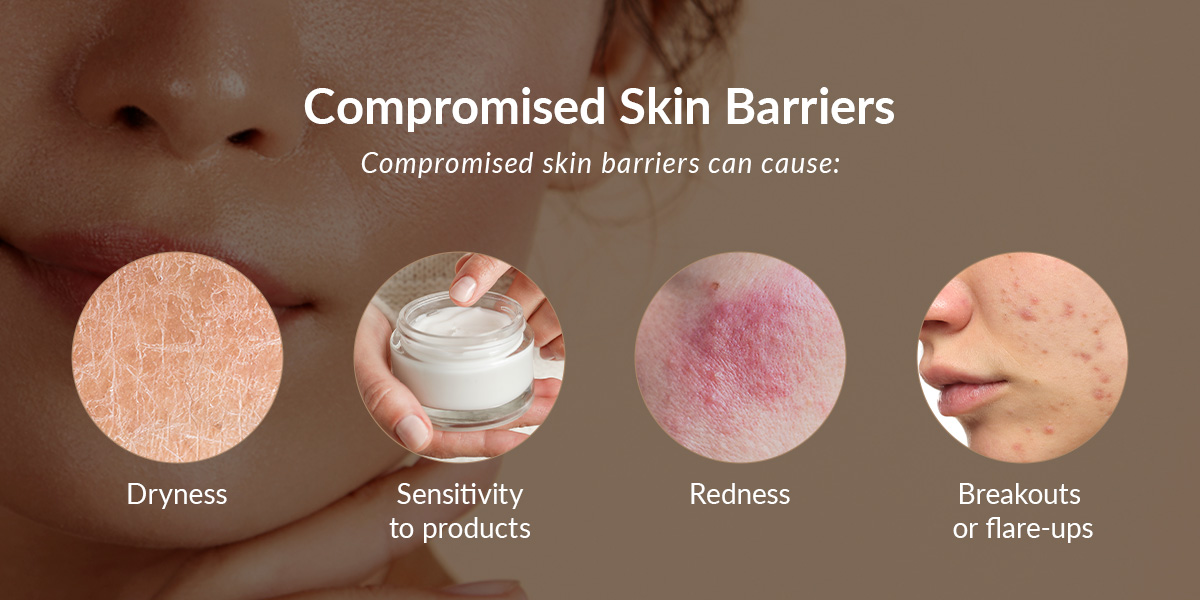
Compromised skin barriers can cause dryness, redness, sensitivity to products, breakouts or flare-ups of dermatitis and rosacea.
Barrier Repair Strategies and Solutions
Everyone ages, but there are evidence-based approaches that can help you protect your skin barrier and even restore some of its function:
- Be gentle: Skip aggressive exfoliation, which can cause damage and dryness. Instead, choose gentle cleansers and hydrating products.
- Look for barrier repair products: Barrier repair creams with ceramides, cholesterol and fatty acids help restore lost lipids. Occlusives lock in moisture. Look for dermatologist-tested formulas with skin-identical lipids.
- Seek out products with ceramides: Ceramides are lipid molecules, and they have been linked to improved skin function. They create a moisture barrier, control inflammation and are often used to repair skin barriers.
- Embrace a healthy lifestyle: High-quality sleep, sun protection, hydration and low stress support both skin and overall health. A diet with whole foods, healthy fats and plenty of fruits and vegetables gives your body the building blocks it needs to build healthy cells — including in your skin.
Contact Us for Barrier Repair Help
Even though changes happen to your skin barrier after your mid-30s, you can protect your skin. Support your skin barrier with the right care and expert guidance. If you notice dermatitis, have been diagnosed with rosacea or need help looking and feeling your best, schedule an appointment with Berman Skin Institute.